Tourism PPP Policy: Structuring Bankable Destination Projects

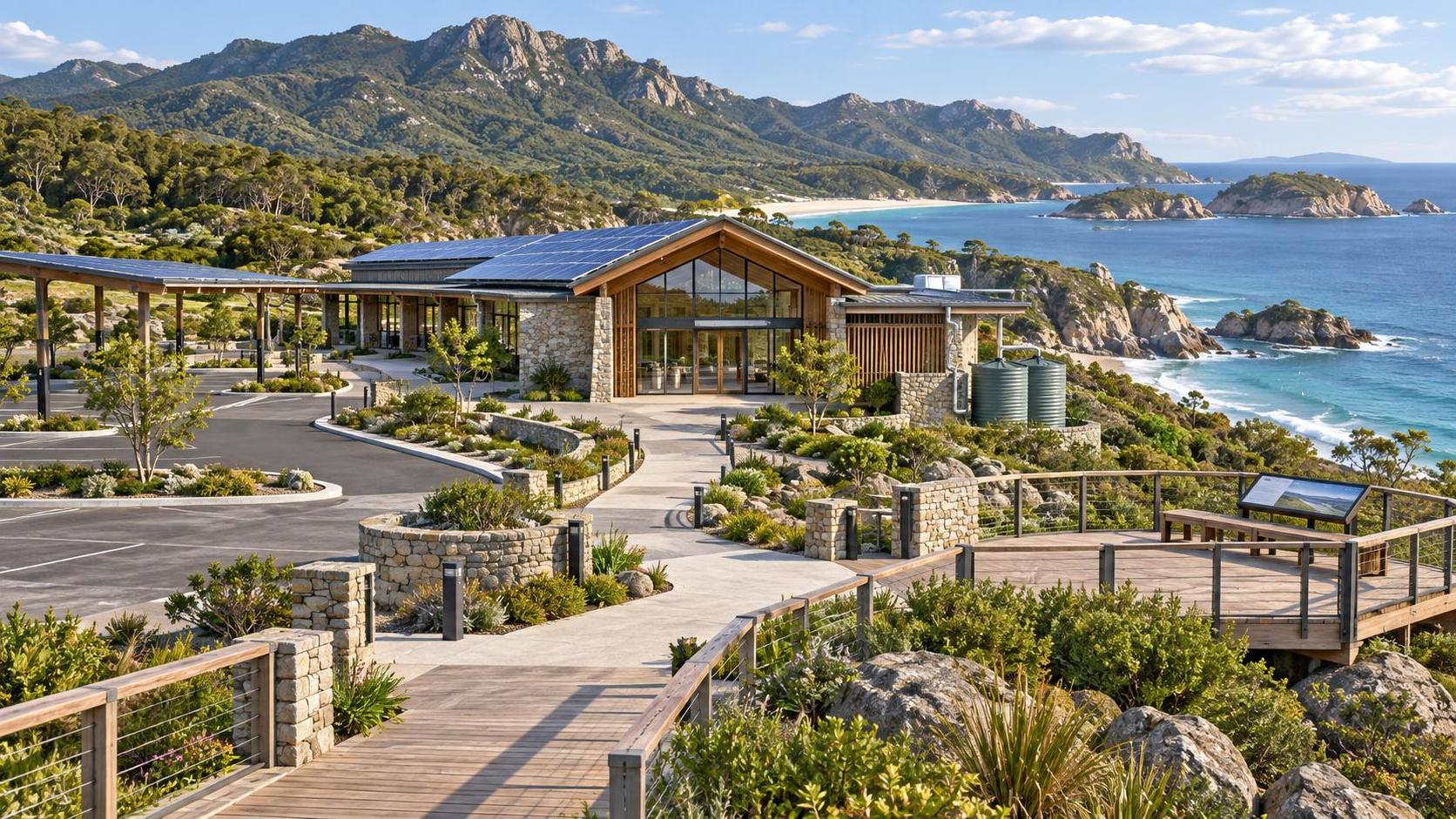
A tourism PPP becomes bankable when the public authority defines the asset, permitted use, service standard, revenue logic, and protection limits before asking the market to price delivery. A concession for a heritage district, national park gateway, coastal visitor facility, or night-tour corridor cannot be evaluated like a generic real-estate lease. Visitor access, conservation obligations, seasonal demand, public safety, and community acceptance directly affect cash flow and operating risk.
A sound tourism public-private partnerships policy therefore starts with a practical division of responsibilities. The public side retains decisions that protect irreplaceable cultural and natural assets, while the private partner takes responsibility for tasks it can manage through design, construction, operations, marketing, technology, and maintenance. When these boundaries are vague, bidders either price a large contingency into the proposal or assume risks that later return to the public sector through renegotiation.
Begin with the operating model, not the construction package
Many destination projects are announced as physical assets: a cableway, visitor center, boardwalk, eco-lodge zone, interpretation museum, cruise pier, scenic lift, or projection-mapping installation. Those assets matter, but they do not establish whether a project can support private capital. The first question is how the destination will operate every day across peak periods, shoulder seasons, severe weather, conservation closures, maintenance shutdowns, and emergency events.
A policy should require an operating concept before procurement. This concept needs to identify visitor arrival patterns, access restrictions, ticketing channels, circulation routes, staffing assumptions, opening hours, waste handling, water and energy constraints, evacuation procedures, and the relationship between the core attraction and surrounding businesses. A facility may appear commercially attractive when assessed only through annual visitation. Its real performance can be weakened by narrow arrival windows, poor parking turnover, ferry dependence, a single access road, or a protected habitat closure during the most profitable period.
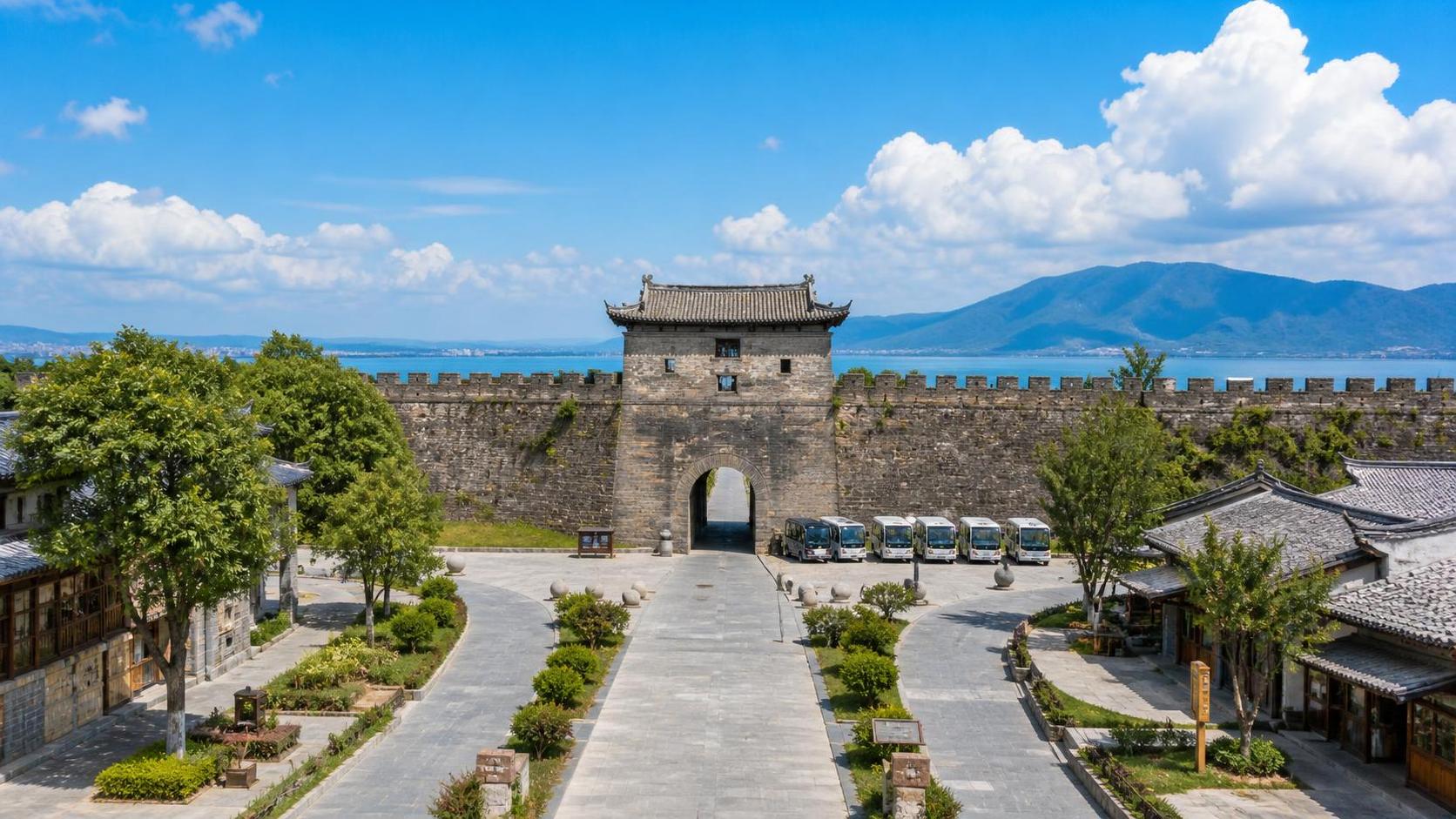
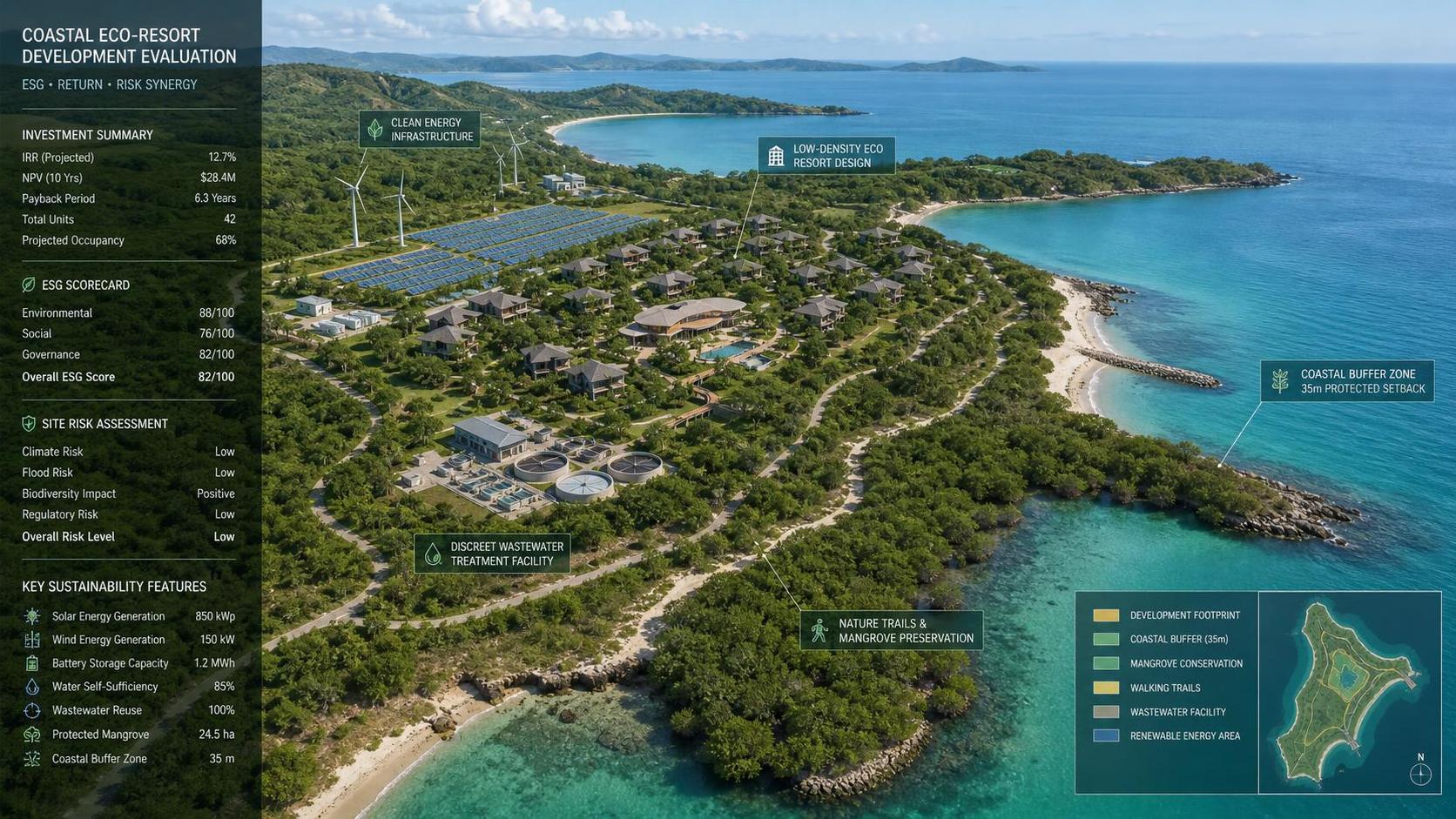
For a historic district, the commercial model may center on timed entry, guided interpretation, adaptive reuse leases, event programming, and evening activity. For a mountain destination, the revenue base may depend on transport capacity, weather-safe access, equipment inspections, trail management, and reliable shelter facilities. A coastal scheme may require setback controls, wastewater capacity, reef-protection rules, and limits on vessel anchoring before accommodation or marina revenues can be assessed. These are different PPP propositions even when each includes visitor infrastructure.
Define the public interest as measurable obligations
Broad commitments to sustainability or heritage protection are insufficient contract instructions. They need to be translated into measurable obligations that can be monitored without creating constant operational disputes. The policy framework should distinguish between outcomes that are mandatory, operating methods that remain flexible, and actions requiring prior approval.
For example, a heritage operator may be required to keep visitor density below an agreed threshold in sensitive rooms, maintain approved humidity and lighting conditions, and provide digital records of condition inspections. It should not be locked into a specific ticketing software provider if equivalent systems can meet reporting, access-control, and privacy requirements. Likewise, a national park concession may be required to prevent off-route vehicle movement, remove waste within a defined service window, and close routes after specified environmental triggers. The operator can retain freedom over fleet scheduling, guide rostering, or food-service formats.
Where cultural assets are involved, the contract should identify which interventions are reversible, which materials require conservation approval, and which areas cannot be altered. Minor changes often create major disputes when a commercial fit-out, cable route, drainage trench, or lighting mount crosses an archaeological layer, a protected facade, or a visual corridor. The approval path must state who reviews the submission, what documentation is required, how review time is handled, and what happens when the requested work is refused.
Match risk to the party that can actually control it
Risk allocation is often described in broad categories, but a tourism PPP needs a more detailed view. “Demand risk” is not a single risk. It may arise from destination appeal, air or road access, border procedures, weather, crowd limits, competing attractions, public transport reliability, public health restrictions, or an authority-imposed cap on ticket inventory. Each source has a different owner and should be treated differently in the financial model.
A common error is transferring all revenue risk to the concessionaire while retaining public discretion over prices, access, operating hours, and commercial permits. That arrangement gives the private side exposure without sufficient control. It can still work where the contract offers compensating mechanisms, such as a fixed availability payment, a minimum revenue floor linked to public restrictions, a revenue-sharing structure, or a longer term that supports recovery of approved capital expenditure. The right choice depends on whether demand is market-driven, administratively constrained, or both.
Construction risk also requires careful separation. A contractor can control workmanship, procurement, sequencing, and site management. It cannot fully control undisclosed foundations beneath an old structure, buried artifacts, unstable slopes outside surveyed areas, or permit delays caused by multiple public bodies. Early investigations do not eliminate uncertainty, but they allow the contract to create clear change procedures. Without them, a low initial bid can become a prolonged dispute over who pays for discovery, redesign, delay, and lost operating revenue.
Build a revenue model that respects carrying capacity
Bankability does not require unlimited visitor growth. In sensitive destinations, uncontrolled volume can damage the resource that supports the business. The stronger model often combines managed access with several compatible revenue streams: timed admission, guided experiences, transport services, food and beverage, interpretation, carefully controlled retail, venue hire, accommodation leases, and licensed activities. Each stream should be tested against the site’s physical capacity and visitor-flow design.
Ticket price alone is frequently misread. A high entrance fee may reduce congestion while supporting conservation and service quality, but it may also shift demand toward unregulated access points or exclude local users if no appropriate access arrangement exists. A low fee may increase attendance while generating queues, wear, waste, and staffing costs that erode the operating margin. The policy should permit a pricing structure that is transparent, subject to agreed boundaries, and adaptable when crowd conditions or operating costs change.
Capacity must be modeled by location and time, not as one annual figure. A trail can have acceptable daily volume but unsafe pressure at a narrow bridge during a two-hour arrival peak. A museum can accommodate many visitors across a day while a single decorated chamber requires short dwell times and controlled group size. An immersive night route may generate strong evening revenue but disturb nearby residents or wildlife unless sound, light spill, transport dispersal, and closing procedures are designed into the operating plan.
Where the authority imposes a carrying-capacity ceiling, the concession term and financing structure should acknowledge that ceiling explicitly. Investors need to know whether capacity is fixed, periodically reviewed, or reducible through a conservation trigger. They also need clarity on whether new public facilities, competing concessions, or changes in transport access may affect the expected visitor base.
Use procurement to test the project, not merely select a bidder
Tourism PPP procurement should reveal whether the proposed model is deliverable. A market-sounding stage can test appetite for the proposed term, revenue rights, construction obligations, environmental restrictions, land tenure, and handback standard. It is especially useful where the project bundles different capabilities, such as conservation-grade construction, hospitality operations, digital ticketing, marine transport, and landscape maintenance. A single entity may not hold every capability internally, but the procurement should show how interfaces will be managed.
Bid evaluation should give appropriate weight to the credibility of the operating plan. A technically attractive concept loses value if it relies on visitor numbers that conflict with access limits, assumes unrestricted commercial signage in a protected setting, or ignores the cost of maintaining specialist equipment. Projection systems, lifts, pontoons, desalination units, electric vessel charging, and monitoring networks each create maintenance and replacement cycles. The financial model should include these cycles rather than treating them as remote future costs.
- Revenue assumptions: test the relationship between ticket inventory, arrival capacity, dwell time, cancellations, and secondary spend instead of relying on a single attendance forecast.
- Approval dependencies: map land, conservation, environmental, transport, utility, and building approvals, including the party responsible for each submission.
- Interface control: identify assets outside the concession boundary that are still essential to operations, such as access roads, public toilets, docks, power supply, or emergency services.
- Lifecycle handback: require an asset-condition survey before the final years of the term so major renewal is not postponed until transfer.
Evaluation also needs to distinguish innovation from unpriced scope. A bidder may propose advanced visitor analytics, low-impact transport, modular structures, or immersive interpretation. These features should be assessed against installation permissions, data governance, maintenance capability, replacement parts, and decommissioning obligations. A sophisticated system that cannot be serviced locally or removed without disturbing the site creates a hidden long-term liability.
Governance must remain active after financial close
A tourism concession is rarely stable enough to operate on a static contract alone. Visitor patterns change, conservation monitoring produces new evidence, weather events damage access infrastructure, and neighboring development can alter the destination’s appeal or pressure. The policy should establish a governance mechanism with defined authority, meeting cadence, reporting requirements, escalation routes, and change-control rules.
Routine operational data should serve both commercial and public-value purposes. Useful indicators include timed-entry utilization, queue duration, route congestion, incident records, closure days, maintenance backlog, waste volumes, energy use, water availability, complaints linked to local impacts, and condition-monitoring results for sensitive assets. These measures should not become a reporting burden detached from decisions. Each indicator needs a corresponding action path: adjustment of entry slots, temporary rerouting, additional cleaning, maintenance intervention, staffing changes, or conservation review.
Revenue sharing requires similar discipline. Gross revenue is simple to observe but can discourage private investment in operating costs that improve visitor quality. Net revenue is more responsive to genuine operating conditions but can invite disputes over overhead allocation. A contract can reduce ambiguity by defining permitted deductions, audit rights, related-party transactions, treatment of marketing costs, and whether capital renewals are included before sharing. The model should be understandable enough that both sides can forecast its effect before disputes arise.
Prepare for disruption without undermining the concession
Destination assets are exposed to events that generic infrastructure contracts often treat too broadly: extreme weather, wildfire, erosion, flood damage, slope instability, marine conditions, archaeological discovery, ecological restoration orders, and abrupt access restrictions. A resilient tourism PPP policy differentiates between short operational interruptions and fundamental changes to the project’s ability to function.
Short interruptions may be handled through insurance, reserve accounts, emergency operating procedures, and schedule adjustments. A prolonged closure of the only visitor route or a permanent reduction in allowable capacity requires a more formal response. Options can include term extension, revised performance thresholds, approved scope changes, public compensation for authority-driven restrictions, or termination provisions where the original purpose of the concession cannot be restored. The contract should state the evidence required for each route rather than leaving the response to political negotiation after the event.
Bankable destination projects are built around credible constraints. A policy that makes conservation limits, public obligations, revenue rights, approval procedures, and disruption mechanisms visible at the start gives bidders a basis for pricing the real project. That clarity protects public assets while creating a concession structure that can be financed, operated, maintained, and eventually handed back in a condition consistent with the destination’s long-term purpose.