Turnstile Routing Systems Smart: What Features Matter for Crowd Flow and Security Planning?

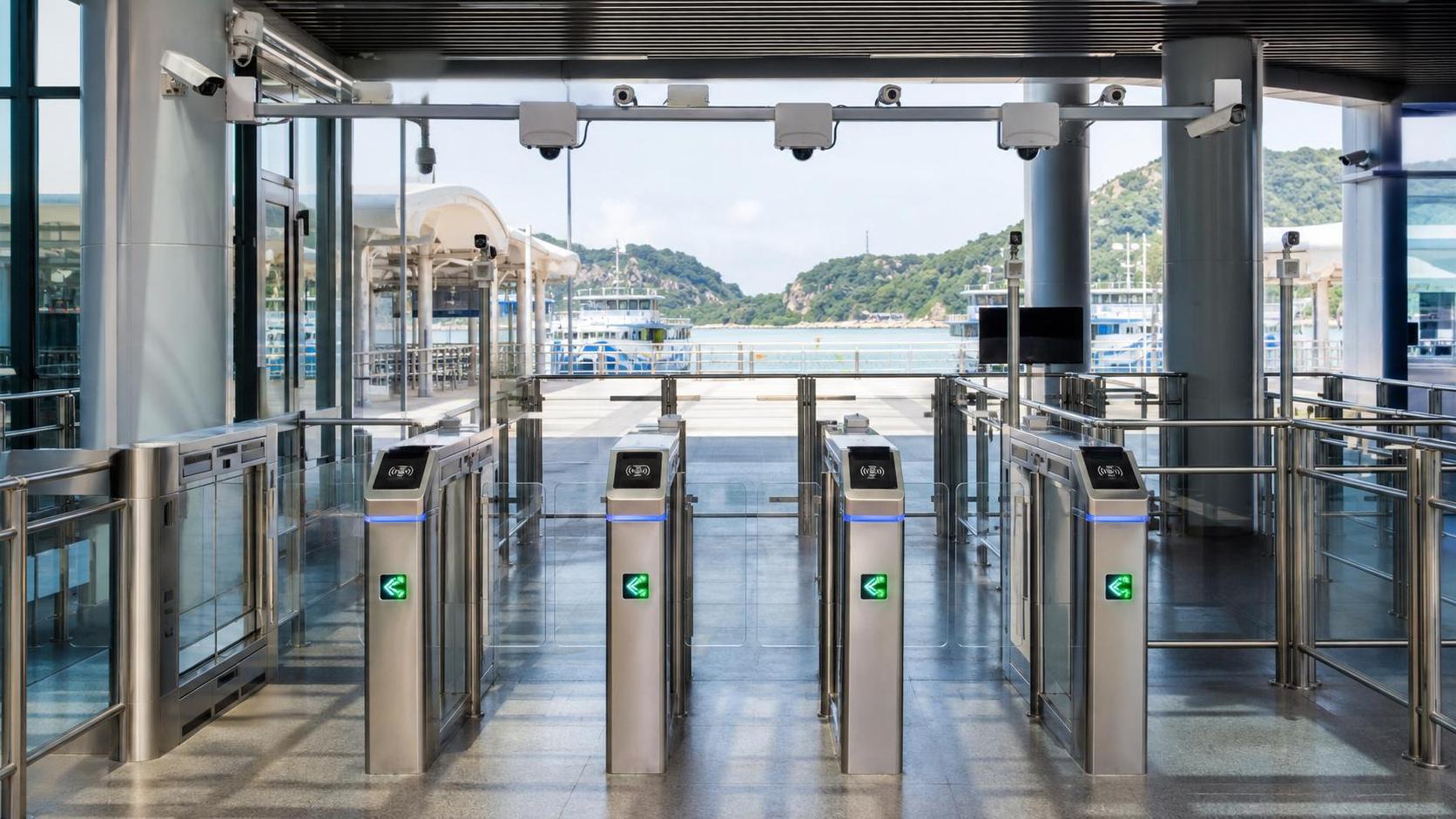
Turnstile routing systems smart enough to manage both movement and risk are no longer a niche concern. In heritage destinations, parks, resorts, ports, and event-led cultural sites, access control now sits inside a wider operational question.
The issue is not simply how many people can enter per minute. It is how people are directed, verified, slowed, diverted, or released under changing conditions without damaging visitor experience or safety performance.
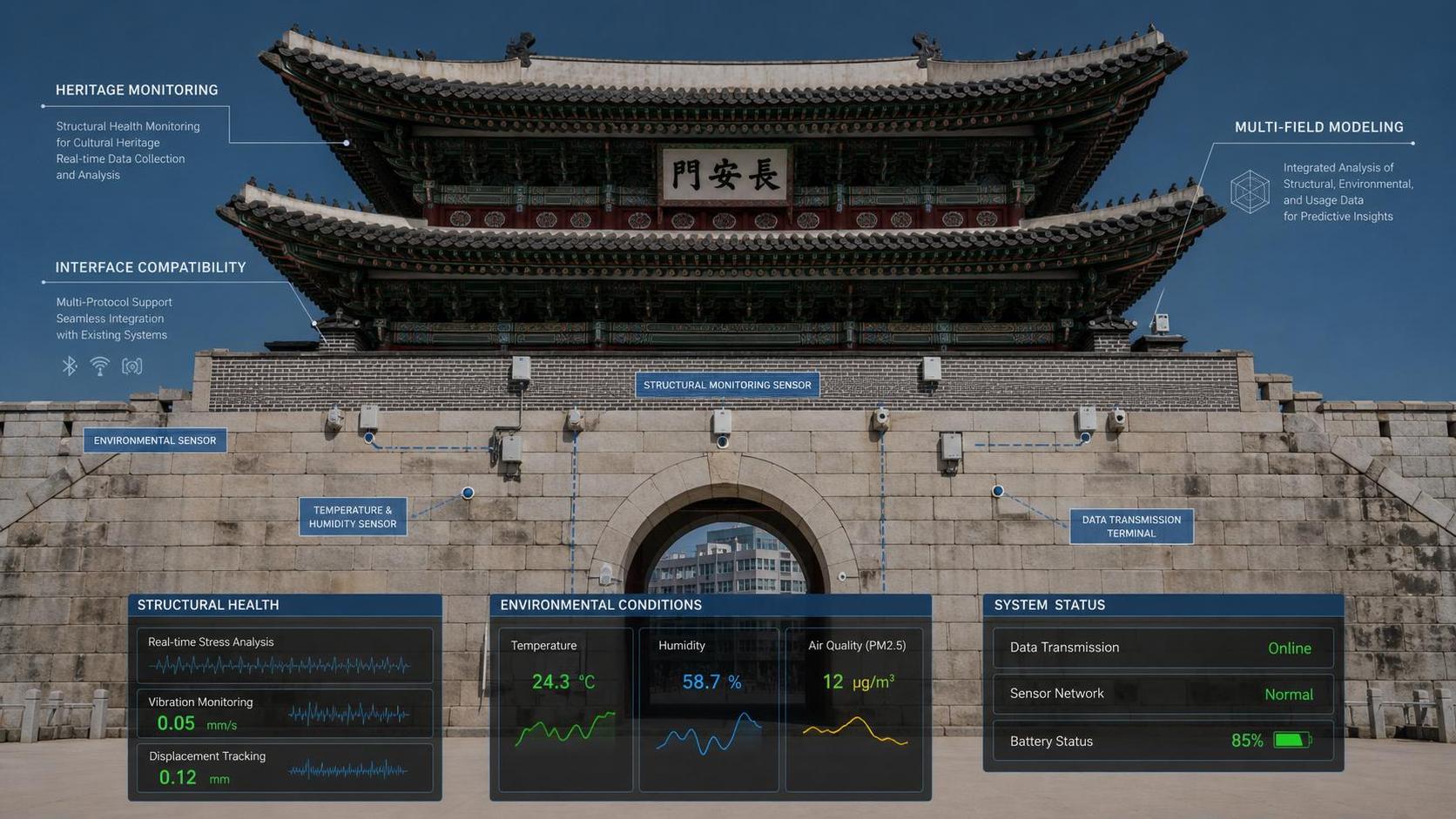
That matters even more where GHLT often places its focus: UNESCO precincts, protected landscapes, night tours, coastal destinations, and high-season attractions with tight carrying-capacity limits. In these settings, routing decisions affect conservation, ESG reporting, staffing, and revenue control at the same time.
Why smart routing matters more than gate control
A basic turnstile checks entry. A smart system supports routing logic. It connects identity, ticket rules, occupancy thresholds, sensor feedback, and emergency commands into one controlled flow process.
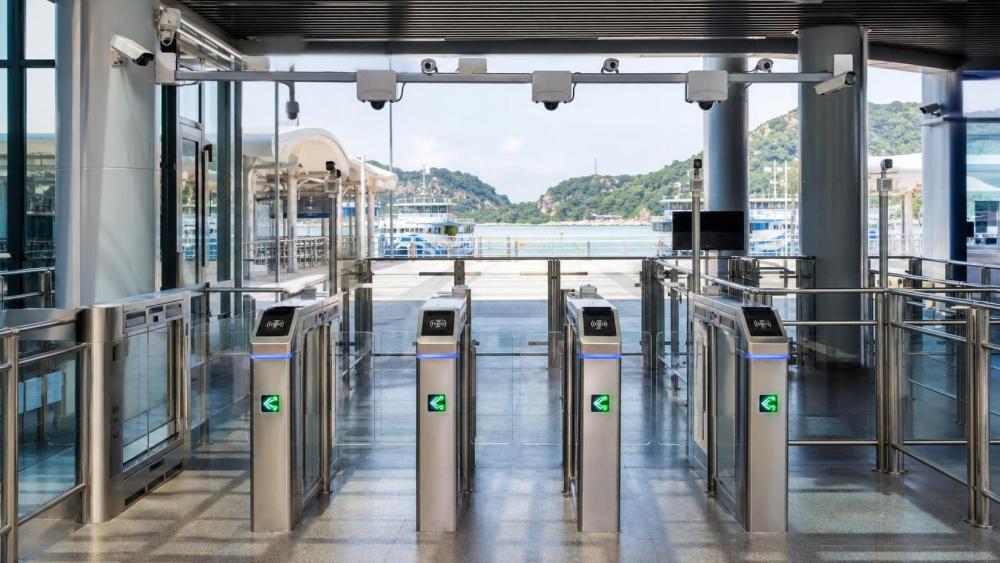
This distinction becomes important in places where visitor paths are not linear. A heritage district may have timed access windows, restricted conservation zones, multilingual visitor groups, and weather-related route changes on the same day.
In that environment, turnstile routing systems smart enough to interpret rules in real time can reduce queue clustering, prevent unauthorized crossover, and support better incident response.
They also create cleaner operational data. That helps destination operators compare planned flow against actual flow, then refine staffing, signage, and carrying-capacity assumptions.
The core features that change evaluation outcomes
Not every advanced feature delivers equal value. Some functions look impressive in a tender response but have little impact on daily flow performance. Others shape the entire routing result.
Real-time occupancy awareness
The most useful systems know what is happening beyond the gate. They do not just count entries and exits. They relate those counts to live zone occupancy and directional movement.
This matters for scenic viewpoints, cave attractions, museum wings, cable-car waiting areas, and waterfront boarding zones. Once one area approaches its safe threshold, routing rules should adjust automatically.
Dynamic rule engine
A strong rule engine allows different access outcomes based on ticket class, time slot, group status, route availability, or incident condition. That is where turnstile routing systems smart enough for multi-scenario operations stand apart.
Simple examples include redirecting late arrivals, separating staff and visitor lanes, or locking access to ecologically sensitive trails during weather alerts.
Fast override and emergency release
Security planning cannot rely on normal-state logic alone. Systems should support local override, central command release, fail-safe settings, and clear audit trails for every forced action.
In night tourism, transport terminals, and dense heritage compounds, evacuation paths may differ from arrival paths. Routing hardware and software must reflect that reality.
Sensor fusion and anomaly detection
Ticket validation alone cannot explain flow friction. Better systems combine turnstiles with AI thermal cameras, video analytics, LiDAR counters, or tailgating sensors.
That improves detection of reverse movement, piggyback entry, stalled lanes, and crowd compression near checkpoints. For technical review, this is often more valuable than headline throughput numbers.
Where these systems create the most value
Across the tourism and destination economy, the business case changes by site type. The table below shows where evaluation priorities tend to shift.
This is why turnstile routing systems smart enough for destination operations are rarely judged on hardware alone. Their value comes from how well they align with flow patterns, site sensitivity, and operating policy.
Security planning is about predictability, not just restriction
Security teams often inherit systems designed around entry denial. That is too narrow for complex visitor environments. Effective planning asks how a checkpoint behaves during surges, partial closures, or conflicting commands.
For example, a festival spillover near a heritage plaza may require selective opening, redirected circulation, and instant lane reassignment. A rigid gate line may worsen the problem even if the equipment is technically secure.
Turnstile routing systems smart enough for layered response support three practical goals:
- maintaining visible order during high-density periods;
- preserving an auditable record of decisions and movements;
- reducing dependence on improvised manual intervention.
That last point is often underestimated. Manual intervention is necessary in some cases, but if it becomes routine, the routing design is usually underperforming.
Integration quality often decides long-term performance
In destination infrastructure, isolated systems create blind spots. Access control should exchange data with ticketing, visitor flow monitoring, CCTV, public address, incident management, and sometimes transport dispatch.
This is especially relevant in the GHLT context, where carrying-capacity algorithms, AI thermal cameras, dynamic ticketing, and spatial monitoring already influence operational planning.
If the turnstile layer cannot consume or share that data reliably, the site loses part of its intelligence stack. The result is fragmented control rather than informed routing.
When reviewing integration, a few details deserve close attention:
- API openness and documentation quality;
- latency under peak traffic conditions;
- offline behavior when networks fail;
- time synchronization across devices and logs;
- cybersecurity controls for remote administration.
These points may look technical, but they directly affect queue stability, incident traceability, and legal defensibility after an event.
How to judge whether a system is genuinely smart
The word smart is widely used and often vague. A practical assessment should focus on decisions the system can make, conditions it can detect, and failures it can tolerate.
Look beyond rated throughput
Peak transactions per minute are useful, but they do not describe lane recovery, misread handling, or user hesitation. Real crowd flow depends on consistency, not brochure speed.
Test scenario switching
Ask how quickly the system changes from normal operations to restricted mode, evacuation mode, or weather-diversion mode. Smart routing is proven during transitions.
Check human-machine clarity
A lane should communicate status instantly through lighting, display logic, sound, and staff interface. Confusion at the checkpoint can erase the value of good backend logic.
Review maintenance realism
Outdoor, coastal, dusty, or high-humidity sites stress hardware quickly. Turnstile routing systems smart in software still fail operationally if enclosure ratings, corrosion resistance, and service access are weak.
A practical next step for evaluation
A useful starting point is to map one site journey in detail: arrival pattern, checkpoint logic, zone thresholds, fallback rules, and emergency release paths. That reveals whether the system supports actual operations or only nominal access control.
From there, compare vendors or design options against a short matrix: routing intelligence, integration depth, override architecture, environmental durability, and reporting quality. Those categories usually expose the real differences quickly.
For destinations balancing conservation, visitor growth, and security compliance, turnstile routing systems smart enough to work across these dimensions are becoming a planning asset rather than a hardware line item. That is the right frame for the next round of assessment.